Composting Garden Vegetables Hub: Building Fertile Soil
Table of Contents Introduction Why Vegetable Residues Are Ideal Compost Materials Balancing Green and Brown Materials in Vegetable Compost Preparing and Processing Vegetable Waste for

Table of Contents Introduction Why Vegetable Residues Are Ideal Compost Materials Balancing Green and Brown Materials in Vegetable Compost Preparing and Processing Vegetable Waste for
Table of Contents Salt Aerosols and Coastal Soil Formation Wind Transport of Salinity Across Arctic Landscapes Soil Chemistry Changes Under Persistent Salt Exposure Plant Survival
Pest Pressure, Monitoring, and Preventive Field Practices Pest pressure in radish production develops quickly because the crop grows rapidly and produces tender foliage that attracts
Table of Contents – The Invisible Engine Beneath the Garden– Balancing Greens and Browns for Reliable Decomposition– Cold-Climate Composting Strategies for Year-Round Efficiency– Using Finished
Contents Introduction: Living Soil as an Ecosystem Fungi as Key Nutrient Mediators Bacteria and Nutrient Cycling Microbial Interactions and Symbiosis Soil Structure Enhancement by Microbes
Table of Contents Introduction The Science of Sunlight How Light Affects Plant Growth Full Sun, Partial Shade, and Beyond Measuring Sunlight in Your Garden Tips
Contents The World’s Biggest Worms — and the U.S. Champions Beneficial Worms for Garden Composting Worm Castings: Nature’s Perfect Fertilizer Microbial Magic: Bacteria and Fungi
Contents How Elevated CO₂ Undermines Seed Nutrient Density Environmental Triggers That Break Seed Dormancy Light Perception in Seeds: Phytochromes at Work Biopriming vs. Chemical Priming:
Contents Introduction: The Soil Spectrum Clay Soils: Structure, Challenges, and Amendment Strategies Sandy Soils: Retention, Leaching, and Biochar Benefits Loam Soils: Optimizing Fertility and Microbial
Contents Introduction: Living Soil as a Biological System The Invisible Workforce Beneath the Surface Beneficial Soil Bacteria and Their Functions Fungi: Structural Architects of Soil

Why Hatchi Seed & Garden
Hatchi Seed & Garden publishes independent, research-based gardening and seed knowledge grounded in soil biology, plant health, and long-term sustainability.
Recommendations are guided by field experience and verified research — not trends, hype, or paid placement.
Seed & Garden Essentials
Seasonal recommendations may appear here when relevant. Products are selected based on performance, durability, and ecological suitability for home and small-scale growers.
Pumpkins When They Go Squash!
🎃 Pumpkin Pie That Lingers
Pumpkin isn’t just sweet—it’s warm, earthy, and deeply comforting. When roasted or slowly baked, its flavor unfolds in layers, holding onto spice and richness long after the last bite. A great pumpkin pie doesn’t disappear when the plate is empty. It stays with you.
Edible Flowers in High Cuisine
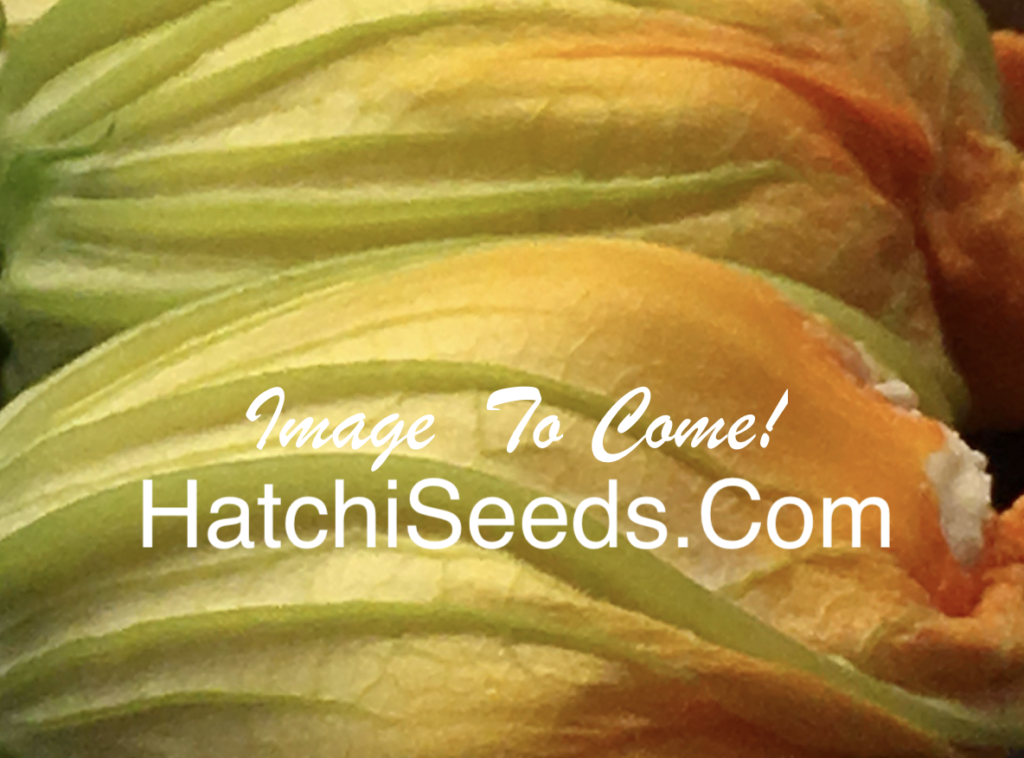
Edible flowers bring freshness and elegance to modern cooking. Pumpkin blossoms are a chef favorite, valued for their tender texture and mild flavor, often stuffed or lightly fried. Guava flowers, used more sparingly, add delicate floral aroma to syrups, desserts, refined garnishes. and flavor.